What is wet blue leather: tanning process, characteristics and applications
Wet blue leather is one of the most traded semi-processed materials in the global hide industry. Tanneries, footwear manufacturers, automotive suppliers and upholstery producers all work with it daily, yet its technical characteristics, production process and quality criteria are not always fully understood outside specialist circles. This article explains what wet blue leather is, how it is produced, how it differs from wet white, and what makes it the dominant intermediate material in the bovine hide supply chain.
Italian Expertise in Wet Blue & Wet White Leather
What is wet blue leather
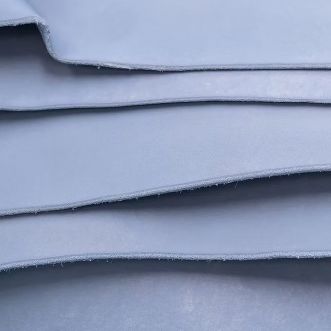
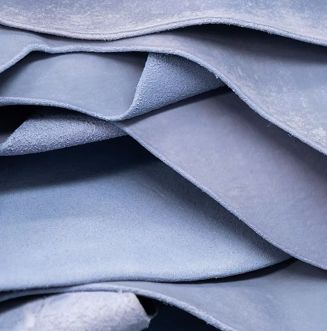
Wet blue leather is a bovine hide that has undergone chrome tanning but has not yet been finished or dyed. The name describes the material’s physical state with precision: wet because the hide retains a significant moisture content after tanning, blue because the chromium salts used in the process give the leather fibres a distinctive grey-blue colour.
The term is used universally across the industry regardless of the language of the transaction. Buyers and sellers from Italy, Turkey, China, Bangladesh and Brazil all use wet blue as the standard reference for this specific stage of the leather production process. Understanding what wet blue is and how to evaluate it is essential for anyone sourcing raw material for leather goods manufacturing.
The leather process: from raw hide to tanned material
The wet blue tanning process follows a well-defined sequence of steps, each of which affects the quality of the final material.
Raw hide preservation is the starting point. Hides collected at slaughterhouses must be preserved immediately to prevent bacterial degradation. The most common method in Europe is wet salting, which draws moisture out of the hide and creates an inhospitable environment for bacteria. Chilling and dry salting are also used depending on geography and infrastructure.
Soaking rehydrates the preserved hides and removes salt, dirt and blood. The hide is brought back to a state close to its original condition before further processing begins.
Liming and unhairing remove the hair and epidermis using a combination of lime and sodium sulphide. After this stage the hide is known as a pelt or tripe, and its collagen fibre structure is fully exposed and ready for tanning.
Pickling lowers the pH of the pelt using an acid and salt solution, preparing the collagen fibres to receive and bind the chromium salts uniformly throughout the cross-section of the hide.
Chrome tanning is the core step that produces wet blue. Trivalent chromium salts penetrate the collagen fibres and form stable cross-links that transform the raw pelt into a durable, heat-resistant, bacterially stable material. The characteristic blue-grey colour is a direct result of this chemical reaction. After tanning the hides are horsed up, pressed to reduce moisture content, and sampled for quality assessment. At this point the material is classified as wet blue and is ready for commercial trade.
Wet blue bovine hides: differences between animal categories
The source animal has a direct impact on the surface area, thickness, fibre density and end-use suitability of wet blue hides. Four main categories are traded commercially.
Bulls produce the largest hides with the greatest thickness. The fibre structure is dense and the surface area is substantial, making bull wet blue the preferred raw material for heavy-duty applications including safety footwear, automotive upholstery, saddlery and industrial leather goods. Bulls also tend to carry more surface defects due to their outdoor activity and fighting behaviour, which must be factored into grading.
Steers, which are castrated male cattle, offer a combination of large surface area and relatively uniform fibre structure. The hide quality is generally consistent and steers are among the most versatile raw materials in the wet blue market, suitable for footwear, leather goods and upholstery alike.
Heifers are young female cattle that have not yet calved. Their hides have a finer grain, moderate thickness and good surface regularity, making them a preferred choice for quality footwear uppers, handbags and leather accessories where a clean, fine-grained surface matters.
Cows produce hides that vary considerably depending on age, number of calvings and farming conditions. Surface area is generally smaller than bulls and steers. Cow wet blue hides find application across footwear, upholstery and leather goods, with selection depending on the specific quality grade required.
Wet blue vs wet white: key differences
Wet white leather is produced using tanning agents other than chromium salts, typically aluminium salts, aldehydes or synthetic tannins. The resulting material has a pale or white colour and a different chemical profile.
The distinction matters commercially for several reasons. Wet white is required by manufacturers producing leather goods for sectors where chromium-free certification is mandatory or commercially advantageous, including children’s products, certain segments of the luxury market and brands that communicate strict chemical compliance across their supply chain.
The wet blue leather process using chromium salts remains dominant globally. It produces a more stable, uniform material with better mechanical properties in most standard applications, and the infrastructure for chrome tanning is established at scale across Europe, Asia and South America. Wet white production represents a smaller but growing segment, driven by regulatory pressure and brand sustainability commitments.
Applications: where wet blue hides are used
Wet blue leather is the starting point for virtually every category of finished leather product.
In footwear manufacturing wet blue bovine hides are processed into uppers, linings and insoles. The quality of the raw material directly determines the finishing yield and the durability of the final product. Footwear manufacturers sourcing wet blue hides typically specify thickness, surface area, chrome content and moisture level as minimum requirements.
In the automotive sector wet blue hides from bulls and steers are used for seat covers, door panels, dashboards and steering wheel wraps. Automotive leather specifications are among the most demanding in the industry, covering abrasion resistance, UV stability, fogging, and long-term ageing behaviour. The consistency of the raw material is critical to meeting these standards at scale.
In furniture and upholstery large-surface wet blue hides are processed for sofas, armchairs and decorative panels. This sector prioritises surface area and a low defect count, since upholstery leather requires clean, continuous pieces of material.
In leather goods and accessories wet blue hides with fine grain and minimal surface defects are selected for bags, wallets, belts and small leather goods. Heifers and young cows are the preferred categories for this application.
How to evaluate hide quality
Sourcing wet blue leather requires assessing several technical parameters simultaneously.
Grade refers to the overall quality classification of the hide based on the type and number of surface defects present, including scars, insect bites, brands, cuts and vein marks. Higher grades command premium prices and are allocated to the most demanding end uses.
Surface area, measured in square feet or square decimetres, determines production yield. A larger usable surface area means less waste and lower cost per unit of finished product.
Thickness must be uniform across the hide and consistent with the buyer’s specifications. Uneven thickness creates problems during splitting and shaving in subsequent processing stages.
Residual moisture content is a critical factor for safe transport and storage. Correctly processed wet blue hides have a moisture level that allows them to be stacked and moved without risk of bacterial growth or mould development during transit.
Chrome exhaustion and penetration uniformity indicate the quality of the tanning process itself. Areas where chromium salts have not penetrated evenly result in inconsistencies in the finished leather and are a sign of poor process control at the tannery.
European wet blue hides and the Arzignano tanning district
Europe is a major source of high-quality bovine wet blue hides, with Italy playing a central role in both production and trade. The Arzignano valley in the Veneto region is the largest tanning district in Europe and one of the most significant in the world, concentrating a substantial share of Italian tanning capacity and leather trading activity.
Operating within this district since 1994, Unionpelli specialises in the trade of wet blue and wet white bovine hides sourced from European slaughterhouses. The company supplies tanneries and leather manufacturers across Europe and international markets, offering selected hides across all main animal categories — bulls, steers, heifers and cows — with consistent quality grading and reliable logistics.
Unionpelli holds LWG certification as an approved trader, in line with the standards set by the Leather Working Group, the international body that audits and certifies leather manufacturers and traders on environmental performance and supply chain traceability.
Wet blue leather is the foundational material of the bovine hide supply chain. Its quality at the point of trade determines the outcome of every subsequent processing stage and ultimately the performance of the finished leather product. Understanding the wet blue leather process, the differences between animal categories and the criteria for quality assessment is essential for making informed sourcing decisions.
For buyers looking for a reliable European supplier of wet blue bovine hides, Unionpelli offers three decades of specialist experience in hide selection and trade from the heart of the Arzignano tanning district.